The Top Ten Ways Practitioners Screw Up Collaborative Divorce Cases
I have a lot of respect for collaborative professionals. Most people who choose this model are trying to do right by their clients. I still see the same problems show up again and again. There are others, but these are the ones I see most often. These are the top ten collaborative divorce mistakes I see professionals make.
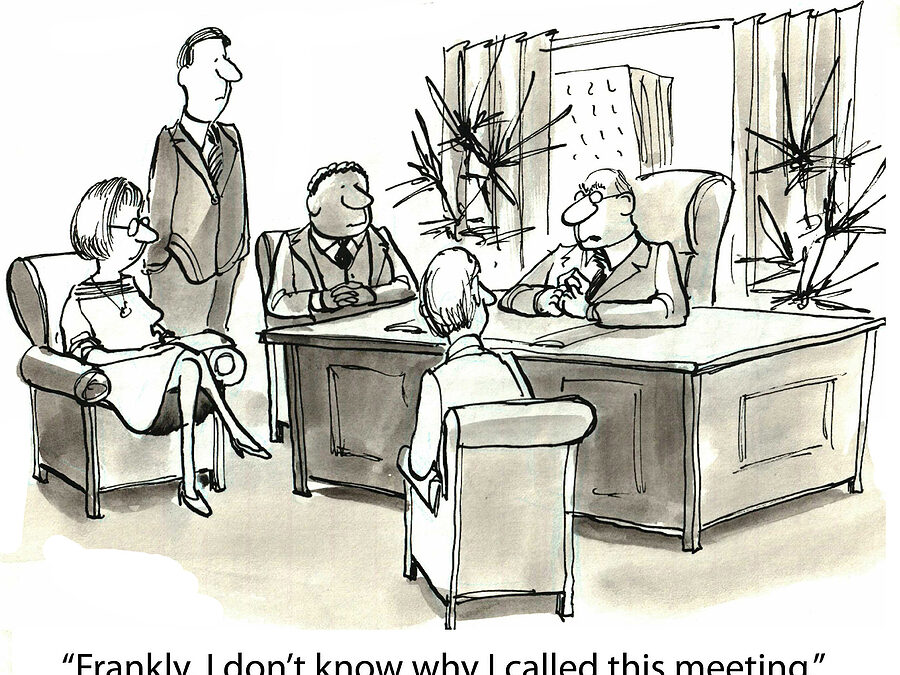
1. Working harder than the client
This shows up all the time. The professionals are pushing the case forward while the clients stay passive. If the clients are not doing the work, the case will not move. Clients need to have ownership of their own case. When the professionals care more about the case than the clients do, things are out of balance. Good teams show clients how to take ownership of their own lives and their own conflict. The team will be gone when the case is over. Clients need to be able to resolve differences without professional intervention. If they do not build that capacity, the agreement will be less durable and they will be back to clean up a mess without the skills to fix it. Otherwise, the attorneys spin their wheels and the clients gain very little.
2. Overcomplicating the collaborative divorce process
Some teams build processes that look impressive. They create forms, binders, checklists, and layers of structure. Much of it does not move the case forward. Clients get buried in paperwork that does not help them make decisions, and the process slows down. It also gets expensive fast. Clients end up sitting in meetings going through forms and written materials while everyone in the room is billing. That turns people off. I have seen many cases ruined by this. We love our processes, but we cannot get arrogant and self-righteous about them. The clients do not care about our forms. They want to see that the time they are paying for actually moves their case forward. If the process or form does not move the ball quickly, it is best not to use it.
3. Failing to treat client fees with respect in collaborative practice
Clients are paying for this process. It is disrespectful to insist on expensive meetings and layers of process without stopping to ask whether they are necessary. One meeting with a full team can be expensive, and that matters to people.
I had a case where the clients were increasingly frustrated with the cost. They felt like they were paying for meetings where nothing meaningful was happening. Instead of acknowledging that concern and tightening the process, the team doubled down and framed the issue as the clients being uncooperative.
The clients were raising a real issue. They were watching their savings go toward meetings that felt repetitive and unproductive. That deserved a direct response and a course correction.
There is a level of arrogance in assuming the problem sits with the clients while ignoring an overbuilt process and poor cost management.
Instead of addressing the clients’ legitimate concerns, the team gave them a lecture. The case unraveled soon after.
When professionals ignore cost, clients lose trust. If you want that trust, use judgment about how you spend their money.
4. Group think and holding back real feedback in collaborative teams
Teams want to get along. That can turn into everyone agreeing because it feels easier. Weak ideas go unchallenged and the case starts to drift.
Early in my career, I had a case fall apart. In the debrief, I shared what I thought caused it. I had disagreed with a direction one of the coaches was taking, but I did not say anything at the time. He asked me why I waited until the debrief to speak up. The answer was simple. I was new and I wanted to impress him.
You see this between professionals. Something feels off in how part of the case is being handled, and nothing gets said. People stay quiet because they do not want to step on each other, or they tell themselves it is not their place. Then it comes out later, after the case has already taken a hit.
If something is off, say it when it matters. Respectful disagreement keeps the team oriented and the case moving.
5. Not being available in collaborative cases
Collaborative cases need momentum. Setting meetings can feel like programming a NASA shuttle launch because you are coordinating multiple professionals. It only works if everyone treats availability as part of the job.
If you are hard to schedule or slow to respond, you are not just affecting your piece of the case. You are affecting the entire team. Other professionals are holding space, clients are waiting, and the process loses traction.
I had a case where one professional was consistently unavailable for team calls. Then an emergency developed and we needed to meet. We offered after hours. We offered weekends. Nothing worked. Before we could get the team together, the situation escalated and one party left the collaborative process and filed in court.
The case unraveled because the team could not get in the same room to address a problem that could have been handled. Availability is part of professional responsibility in this model. If you cannot show up when it matters, the process cannot hold.
6. Becoming part of a client’s emotional dynamic in collaborative practice
A client is anxious, angry, or reactive, and a professional gets pulled into it. You start matching tone, taking sides, or trying to fix the client instead of managing the process. That shift is subtle and costly. The team loses its center and the case starts to run on the client’s emotional rhythm. You see longer emails, sharper exchanges, and decisions driven by reaction instead of judgment. It also puts pressure on the other professionals, who now have to manage both the clients and a teammate who is inside the dynamic. Your role is to hold structure and pace. When you stay there, clients have a chance to settle and think. When you leave it, the process follows you into the chaos.
7. Drifting out of your role on a collaborative team
Some overlap is useful. Too much creates confusion.
Attorneys can lose their way by trying to control the financial reporting or by stepping into coaching. That pulls the case toward control instead of structure and pace.
Financial professionals can lose their way by turning the work into analysis for its own sake. More models, more scenarios, more data. The numbers get more complex while decisions get harder. Clients disengage.
Coaches can lose their way by taking sides or moving into advocacy. The focus shifts from managing dynamics to advancing a position.
Each role has a job. Attorneys manage structure and legal framing. Financial professionals bring clear, usable numbers that support decisions. Coaches manage communication and dynamics so clients can think and engage.
When anyone drifts out of that lane, the team loses clarity and the process gets messy fast.
8. Failing to make the paradigm shift in collaborative divorce
This sits underneath everything on this list.
Each professional brings habits from their primary discipline. Those habits make sense in other settings. They do not translate cleanly into a collaborative case.
Lawyers need to get off their white horses. This is not court. You are not there to save the day or win the case. You are there to provide structure, legal framing, and help clients make informed decisions.
Mental health professionals need to leave the paradigm of healing people. Coaching is not therapy. The role is to help clients communicate, stay present, and engage in a difficult negotiation. Longstanding emotional patterns belong in therapy, not inside the collaborative process.
Financial professionals are not responsible for the clients’ financial choices. Their role is to provide clear, neutral analysis that supports decision making. Not to steer outcomes or manage the clients’ financial lives.
If that shift does not happen, the process never stabilizes. Roles blur, effort gets duplicated, and clients start looking to professionals to solve problems they need to own.
9. Forcing the Square Peg into a Round Hole in collaborative cases
Not every case belongs in a collaborative process. Sometimes people try to force a square peg into a round hole. It breaks the peg and damages the hole.
This usually comes from good intentions. The team wants the case to work. The clients say they want to stay in the process. So everyone keeps pushing forward even when the signs are there that the fit is off.
You start to see it in small ways. Commitments do not hold. Participation is uneven. One or both clients are not engaging in good faith. The team spends more time managing the breakdown than moving decisions forward.
At some point, the structure cannot carry what is happening. When that line gets crossed, the case starts to come apart. Be realistic. Not every case is a good fit for Collaborative Practice.
10. Lack of clear agendas and next steps in collaborative divorce
Cases lose traction when meetings end without clear decisions, assignments, and timing. Each session should produce a short list of what was decided, what each person is responsible for, and when it will be done.
Without that, people leave with different understandings of what just happened. Tasks get missed. Work gets duplicated. The next meeting starts by rehashing the last one instead of moving forward.
It affects the clients. They start to feel like they are attending meetings instead of making progress. That frustration builds quickly when they are paying for every hour in the room.
Clear agendas going in and clear next steps coming out keep the case moving. If you cannot say what was decided and who is doing what next, the meeting did not do its job.
Good Collaborative Cases Require Good Collaborative Professionals
Collaborative practice works, but it depends on discipline, clarity, and judgment. These collaborative divorce mistakes are predictable, and they are avoidable when professionals stay grounded in the model. When those slip, sometimes the case does explode. More often, it gets slower and harder until everyone feels it.
Training is crucial. If you want to improve your Interdisciplinary Collaborative Team chops, we are teaching it in our Collaborative Divorce training this June in San Diego. You will work with an interdisciplinary faculty that has spent years doing this work in real cases, and we focus on how the process functions when things get difficult. If you want to get better at this, we would be glad to have you in the room.